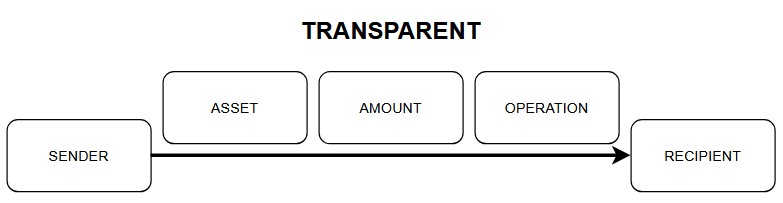
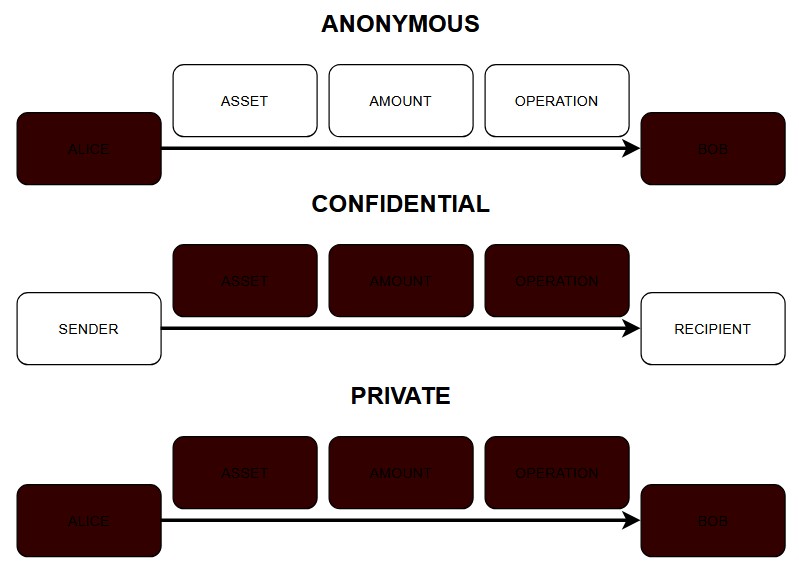
As blockchain technology matures, the spotlight has shifted from its revolutionary transparency to a pressing need for privacy. While early blockchains democratized finance through open ledgers, this very openness now poses significant risks to users and businesses alike. Enter Midnight, a groundbreaking privacy-centric platform that promises to unlock blockchain's full potential without compromising on security or usability. In this article, we explore the pitfalls of unbridled transparency and how Midnight charts a path toward a more secure, inclusive future. The Transparent Roots of Blockchain: A Double-Edged Sword The first generation of blockchains, including pioneers like Bitcoin and Ethereum, was built on the principle of radical transparency. Every transaction is etched onto a public ledger, accessible to anyone online. This design was a triumph—it bypassed traditional intermediaries, allowing seamless peer-to-peer value exchange with unbreakable proof of integrity. Details like sender, recipient, asset type, amount, and even complex operations such as smart contract executions are all out in the open, fostering unparalleled trust in the system. Yet, what began as a feature has evolved into a formidable flaw. Transparency ensures protocol-level verifiability, but it strips away the privacy essential for real-world adoption, creating barriers for individuals and organizations. For users, public ledgers turn financial activities into a surveillance spectacle. Link a blockchain address to your identity—perhaps via a KYC-compliant exchange—and your complete transaction history is exposed. Balances, DeFi interactions, staking rewards, governance votes, and asset holdings become fair game for scrutiny. Picture using crypto for everyday purchases: a merchant could glimpse your entire portfolio in seconds. Or envision heightened regulatory oversight, where authorities effortlessly track every transaction tied to your name. Amid rising concerns over data privacy and cyber threats, this forced visibility feels like an unwelcome spotlight, scaring off mainstream users wary of such vulnerability. For businesses, the implications are equally dire. Enterprises, financial institutions, and corporations must juggle data protection mandates like GDPR while innovating on blockchain. Public exposure reveals trade volumes, supplier networks, and performance indicators, essentially gifting rivals a strategic blueprint. Blockchain integration turns into a regulatory minefield, as disclosing customer data risks legal repercussions and shattered confidence. Ultimately, this transparency traps blockchain in shadowy, pseudonymous corners, far from the regulated, scalable finance it could transform. Enter Midnight: Privacy by Design Midnight steps in as a transformative force, crafted by Input Output Global—the minds behind Cardano—to infuse privacy into smart contract ecosystems. Departing from the top 20 blockchains, where Bitcoin handles basic transfers and Ethereum or Cardano powers sophisticated contracts, Midnight overlays cutting-edge cryptography, including zero-knowledge proofs, atop a verifiable public ledger. The result? Functionality preserved, but sensitive data shielded from prying eyes. In the image, you can see what information can remain hidden from the outside world. Anonymous: Masks sender and receiver identities, with potential visibility for amounts or ancillary details. Confidential: Veils transaction specifics like values, even if identities are somewhat traceable. Private: The pinnacle, encrypting all elements—identities, assets, amounts, and actions—for complete discretion. Central to Midnight is selective disclosure, empowering users to reveal only what's necessary. The ledger stays auditable and secure for the network, yet encrypted payloads render it opaque to unauthorized viewers. Real-world applications abound: Validate a payment to auditors without disclosing transaction origins. Aggregate voting outcomes for decentralized governance while anonymizing participants. Provide high-level compliance reports to regulators (e.g., overall throughput), without individual exposures. This tailored approach fosters "rational privacy"—user-driven control rather than all-or-nothing exposure. Within the Cardano framework, Midnight synergizes with innovations like ZK Rollups and ZK Bridges, merging efficient transparency with robust safeguards. Privacy isn't a luxury in blockchain; it's the key to bridging the gap to everyday finance, governance, and commerce. Midnight doesn't merely patch the gaps in transparent systems—it forges a balanced, resilient ecosystem where innovation thrives without fear. As adoption accelerates, platforms like this will define the next era of decentralized empowerment.