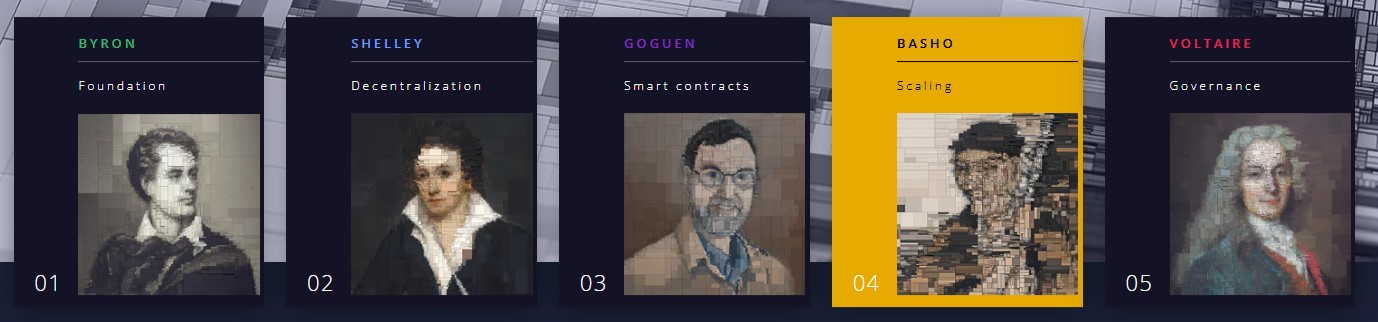
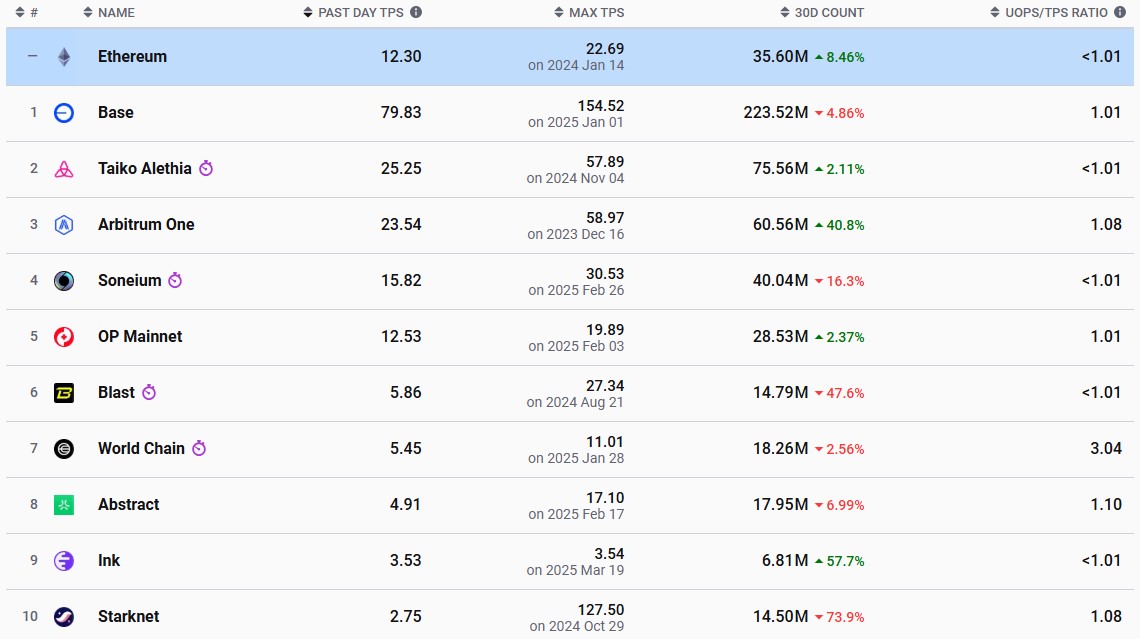
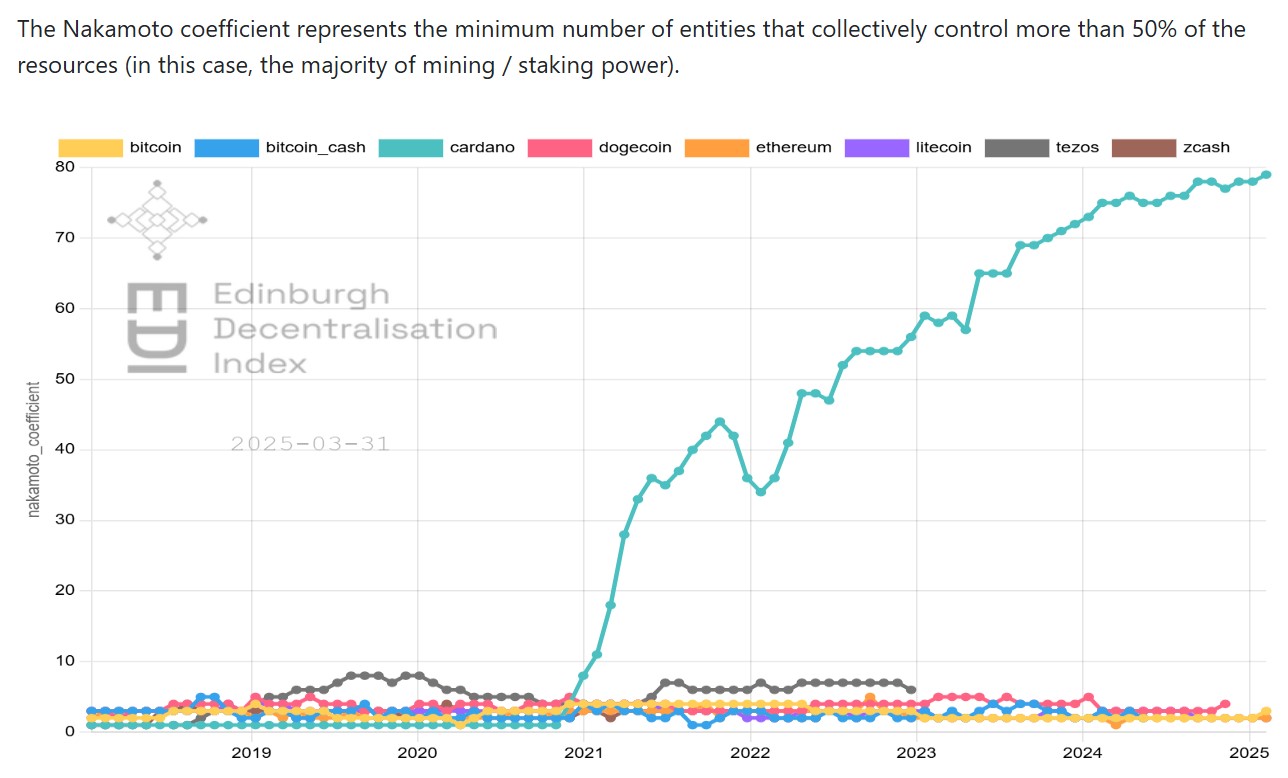
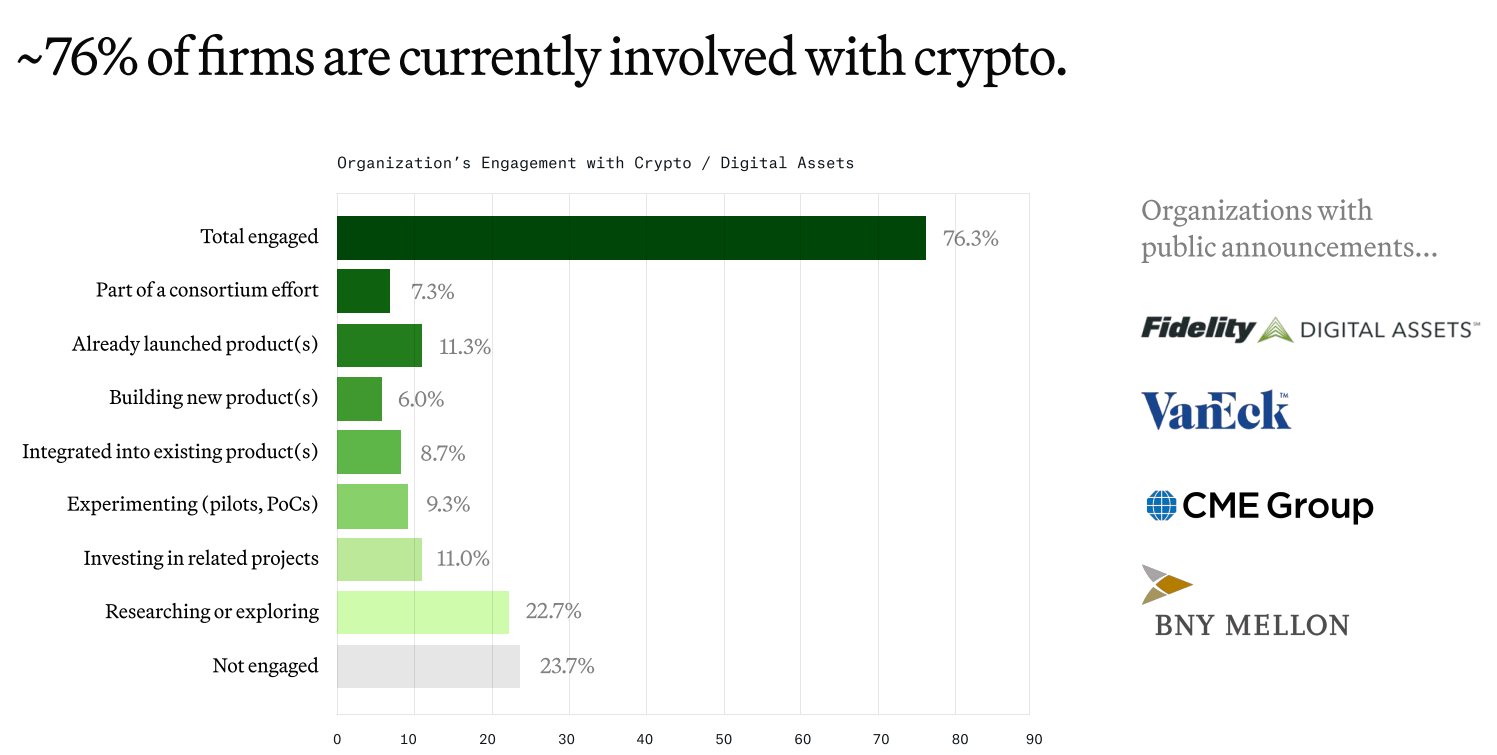
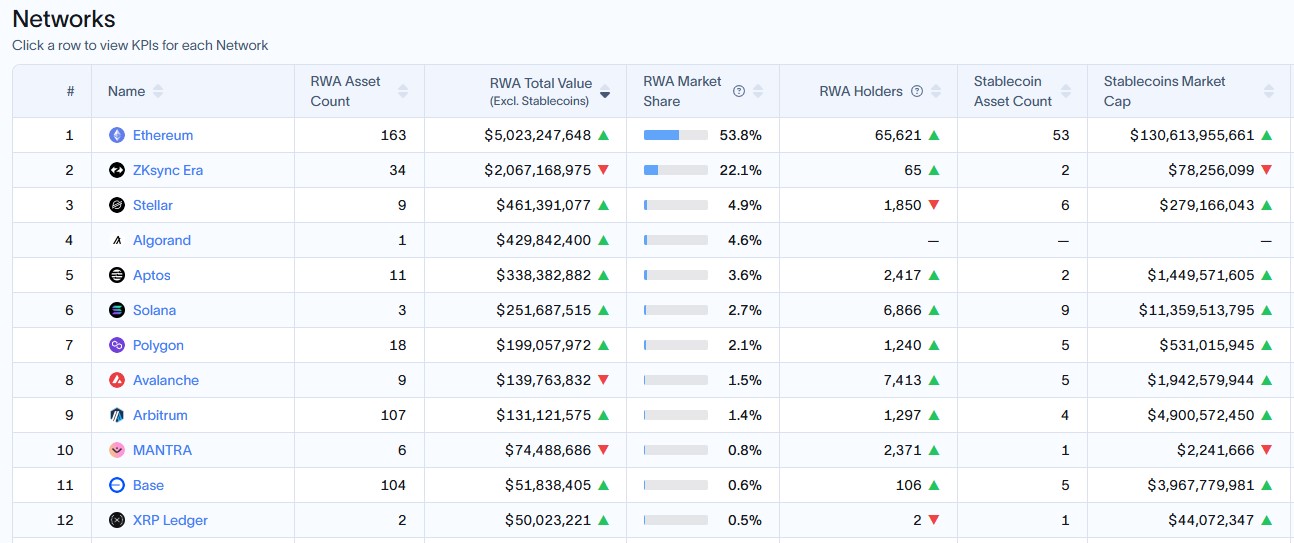
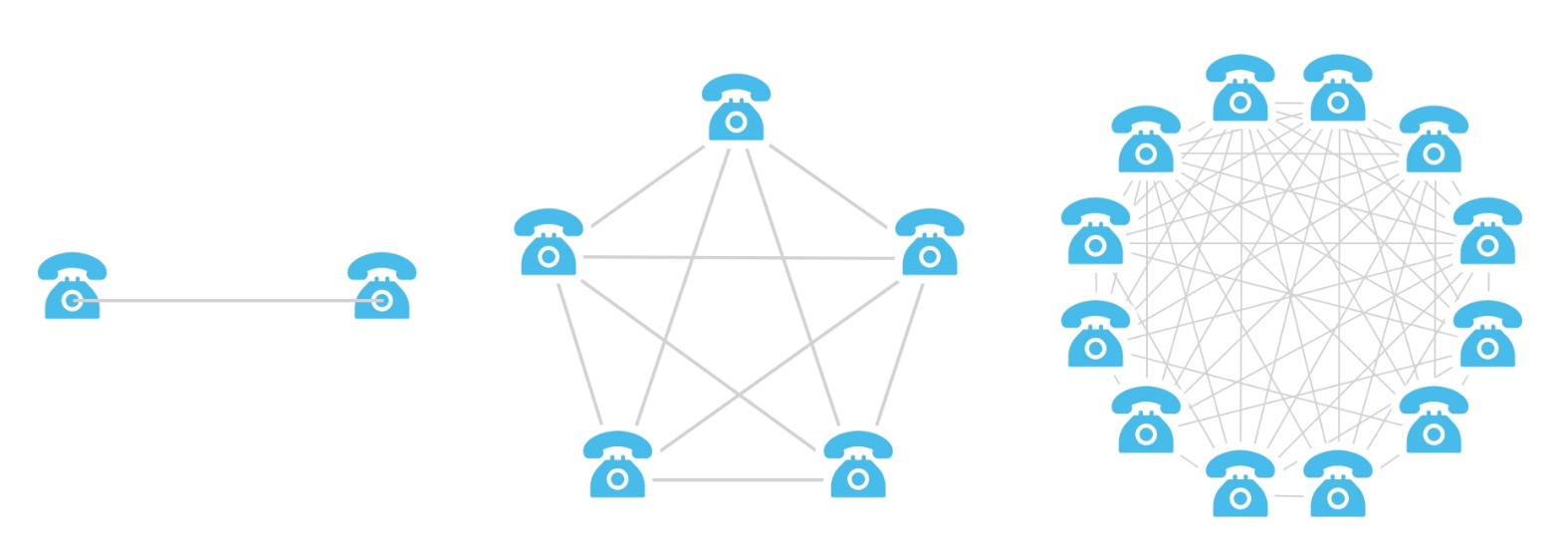
Although Cardano has achieved many technological successes, one of the most important is still missing, scalability. Without the ability to absorb new users into the ecosystem, Cardano cannot achieve its original mission of becoming a global financial and social operating system. Some projects have left our ecosystem. They have migrated to networks that can offer users greater user comfort and liquidity. This should be a wake-up call for us. Technological Debt The original Cardano roadmap, introduced in 2017, outlined five distinct eras, each representing a critical pillar for success. Four out of five eras can be considered successfully delivered. Cardano boasts a large and loyal community and is recognized as one of the most decentralized networks. Developers can build decentralized applications (dApps), and the platform receives regular upgrades. On-chain governance is also in place, with DReps responsible for making decisions on the Treasury and the roadmap. However, the scalability promised during the Basho era has yet to be fully delivered. Rather than dwelling on why this particular feature has not been implemented, it is crucial to focus on the consequences and take significant steps to enhance Cardano's competitiveness. This involves striving to match or surpass ecosystems that currently attract the most users and liquidity. Users Prefer User Comfort Over Decentralization L2s have become prominent within the Ethereum ecosystem, with several dozen now in existence. It was evident even five years ago that users would gravitate toward platforms offering cheap transactions and fast finality. However, L2s face several challenges. They fragment users and liquidity. Most L2s rely on centralized sequencers that operate on one or a few servers. Additionally, their reliance on admin keys raises further concerns. Despite these issues, the Ethereum ecosystem maintains the highest user activity and total value locked (TVL). Solana, on the other hand, is a monolithic blockchain designed for high scalability. Users appreciate being on a single network without the need to migrate between L2 networks, as is the case with Ethereum. Solana faces criticisms for its low decentralization, frequent network restarts, failed transactions, and bot-generated traffic. Nonetheless, Solana's TVL and transaction volumes enable it to compete with Ethereum. Currently, the competition for users is primarily between Solana and Base, Coinbase's L2. Decentralization Is A Key Feature I don't want to imply that scalability should have been prioritized over decentralization or suggest that decentralization is less important. According to the Edinburgh Decentralization Index, Cardano ranks as the most decentralized network among those included in the Index. While Solana is not currently listed, this does not diminish Cardano's accomplishments. This is an impressive technological feat that deserves recognition, and the Cardano community rightly takes pride in it. Decentralization goes beyond block production—it also encompasses governance. Cardano is entirely governed by its community, with no control exerted by IOG. In the long term, strong decentralization may become a crucial factor for specific use cases. For instance, I find it difficult to envision that the majority of minted Real-World Assets (RWAs) would rely on centralized L2s. It’s important to acknowledge the distinction between the preferences of the Cardano community and the perspectives of other users and businesses seeking blockchain solutions for their projects. This requires an understanding of the current stage of the cryptocurrency industry’s development. Are We At A Critical Stage Of Adoption? We have often been mistaken in our past predictions about retail and institutional adoption, as have many others attempting to forecast these trends. However, it appears we have reached a point where banks, institutions, and even governments are beginning to embrace blockchain technology. This momentum is being bolstered by the newly elected U.S. president, who has given the crypto industry a clear green light. The SEC is reportedly dropping all lawsuits related to the crypto sector. Additionally, the government aims to leverage blockchain technology to strengthen the global position of the U.S. dollar and make financial services more inclusive. D.O.G.E. has even announced plans to enhance government efficiency through blockchain implementation. While the media may not highlight it extensively, institutional adoption is quietly progressing in the background, as evidenced by numerous studies. Projects adopted today could remain relevant and in use for the next 5 to 10 years. When an institution selects and deploys a new service, it may be reluctant to switch to another solution in the near future. Institutions are likely to favor scalable networks, even those with average or below-average decentralization, as scalability often becomes a decisive factor. Additionally, they might prioritize networks with higher liquidity and user numbers, viewing these as indicators that the network has successfully undergone significant real-world testing. Cardano is sometimes seen as a chain where transactions are costly, finality is slow, and liquidity and volume are relatively low. Although the Cardano ecosystem proudly highlights its track record of never experiencing a major hack, this achievement can be overshadowed by its comparatively smaller user base when measured against competing chains. Cardano risks missing a crucial opportunity as institutional adoption gains momentum and the foundation of a new global financial infrastructure is being established. One notable example is the RWA sector. Although the tokenization of RWAs has been discussed since 2020, it is only now becoming significant due to more favorable regulations. The sector is rapidly growing, with a TVL attacking 10 billion USD and 100,000 holders. Unfortunately, Cardano does not rank among the top 10 players in this space and is absent from the list despite hosting several RWA projects within its ecosystem. Ethereum currently dominates the RWA sector with over 50% market share. Competing with Ethereum will be a significant challenge for Cardano, as breaking into the top 10 alone is no small feat. If the RWA sector grows to 100 billion USD in TVL and reaches 10 million holders, Cardano's relevance could diminish if it fails to secure at least a 10% market share. Cardano has already missed opportunities in the stablecoin market. Allowing the RWA sector to slip by could have serious consequences for the project's future relevance and standing in the industry. It is now evident that success in the blockchain space is not solely driven by the quality of decentralization. Other factors play a significant role, such as scalability, the influence of powerful lobby groups, and vested interests in certain projects. For this type of sector, scalability and security are crucial. While the Cardano community may firmly believe that Cardano is the ideal choice for the RWA sector, the market's perception tells a different story. The prevailing sentiment among users and businesses suggests that Cardano is not currently viewed as the top option in this field. Network Effect Cardano combines some of the best features of Bitcoin and Ethereum. From Bitcoin, it inherits the Nakamoto consensus, the UTxO model, a capped supply, and a strong commitment to achieving maximum decentralization—though we will set aside the current decentralization challenges of Bitcoin. From Ethereum, it gains token minting capabilities and programmability. However, neither Bitcoin nor Ethereum excels in scalability. Ethereum addresses this limitation through its extensive L2 ecosystem. The challenge for Cardano is that it currently resembles Bitcoin more than Ethereum or Solana. To achieve greater success, Cardano needs to shift its focus and adopt features that make it more similar to Ethereum or Solana, particularly in terms of scalability. Cardano is designed to be a smart contract platform. Its original mission—one that cannot be deviated from—has always been to evolve into a global financial and social operating system. Success in the digital era is largely driven by the network effect. The theory states that the more people use a network, the more useful and valuable it becomes. Utility directly influences a project's market capitalization, as demonstrated by the success of leading IT giants who scaled their services to maximize network effect. Decentralization, on-chain governance, and sound monetary policy are critical prerequisites for Cardano's long-term success. However, these efforts will be at risk without scalability. The community must focus its energy on supporting initiatives like Ouroboros Leios, Peras, Midgard, Hydra, and even smaller projects like Starstream. These are key to advancing scalability and unlocking Cardano's potential. Currently, the community is heavily invested in forging connections between Bitcoin and Cardano, positioning Cardano as a DeFi platform for Bitcoin users. It’s important to recognize that this effort requires more than programmability—it demands scalability. Cardano, as a smart contract platform, should aim to compete for the largest possible network effect. ADA, while indirectly competing with BTC like all cryptocurrencies, is not intended to directly rival Bitcoin in the sense of sound money. ADA’s success can be partially attributed to its monetary policy. The capped supply and staking rewards serve as strong incentives for holding ADA, creating a unique network effect based on faith in Cardano's economic model rather than direct network usage. However, staking rewards will only remain attractive in the coming years if the protocol collects sufficient fees. Building a direct network effect relies on active users—primarily DeFi users—who drive the network's utility and growth. The ideal blockchain, as envisioned by most, is one that combines widespread adoption with a robust monetary policy. Currently, Cardano fulfills the latter but falls short of the former. To achieve widespread adoption, Cardano must prioritize scaling as soon as possible. Only then can it attract and serve a large user base effectively. Cardano is progressing in the right direction, but it cannot afford to lose momentum. Even though it has the potential to address the blockchain trilemma, global interest will only materialize if it achieves this on time. It’s important to recognize that success does not always go to the most technologically advanced project; often, a ‘good enough’ solution can prevail. From this perspective, the next 2-3 years will be pivotal for Cardano's future.